Table Of Content

The exact cause of MDDS is unknown, but it is believed to be caused by a mismatch between the signals that your brain receives from your inner ear and your eyes. This mismatch can cause your brain to continue to perceive motion even when you are stationary, leading to the symptoms of MDDS. If you forgot to pack medication and are feeling ill, ask at the guest services desk or the medical center—they will likely have medicine and the pills are often free. Here are some tried-and-true tips and advice for how to avoid motion sickness on a cruise. For example, I met a woman who put on a patch during her first cruise.
After Cruise Motion Sickness: Causes, Symptoms, and Treatment Options
This can cause a conflict in the signals being sent to the brain, leading to motion sickness. In some cases, the benefits of taking motion sickness medication may outweigh the potential side effects. However, it’s important to be aware of the possible side effects so you can make an informed decision about whether to take medication for your motion sickness symptoms. Alcohol can worsen motion sickness symptoms, so it is important to avoid drinking alcohol before and during a cruise.
Why a River Cruise Makes a Perfect First-Ever Voyage - Condé Nast Traveler
Why a River Cruise Makes a Perfect First-Ever Voyage.
Posted: Thu, 20 Apr 2023 07:00:00 GMT [source]
Cobranded Cards
Those who experience motion sickness in cars, planes, or roller coasters are already familiar with the feeling of being seasick. It usually takes a day or two for your body to readjust after being on a boat. For some people, it can take just a few minutes of walking around on dry land. However, if you are still feeling unsteady after a few days, it's best to consult with your doctor.
How Long Does One Patch “Sticker” Last?
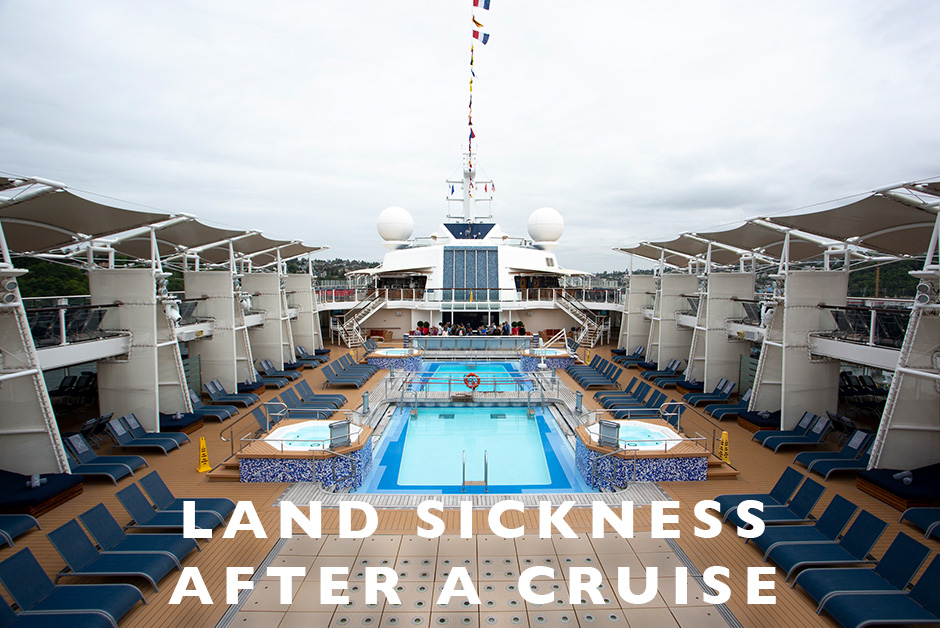
The symptoms will be familiar to anyone who has spent a day ocean swimming and then felt the pull of the current hours after leaving the water. Modern cruise ships have stabilizers, for a relatively smooth ride wherever you cruise. On big ships with thousands of passengers, you’ll typically feel little movement.
Your doctor likely will review your medical history, look for other symptoms and make sure there’s no other illness causing your discomfort. Or, wet a napkin with cool water and hold it on your neck or wrists. In some cases, your doctor may refer you to a neurologist, who specializes in disorders of the nervous system. They may also order blood tests or a hearing exam to rule out other possible causes of your symptoms. Ashley Friedman graduated from Sarah Lawrence College in 2003 with a Bachelor of Arts in Creative Writing and Social Sciences.
Card Type
You'll know rough seas are ahead when you see motion-sickness bags strategically placed in the stairwells. Some people use over-the-counter medication tablets, such as Dramamine or Bonine. You can also try alternatives to medicine like acupressure bands for your wrists or settle your stomach with foods such as green apples, ginger ale or ginger candies, and crackers.
Some people even experience depression as a result of their motion sickness. Generally speaking, time is the only guaranteed cure for land sickness, so give yourself a day or two of downtime before resuming your normal activities. There are a few itineraries and seasons for which even the most sea-hardy among us might proactively take along a supply of patches. It's better to be prepared and not need them than to suffer through a rough ride without any relief. If you care about someone seeing patches behind your ears and near your belly button, then try the pills.
Treatment
If you are experiencing symptoms of MDDS after a cruise, it’s important to seek medical attention. Your doctor may be able to recommend treatments such as medication or physical therapy to help alleviate your symptoms. The inner ear, also known as the vestibular system, is responsible for maintaining your body’s sense of balance and orientation. When you are in motion, the vestibular system sends signals to your brain to help it understand your body’s position and movement. In this article, we will explore the causes and MdDS symptoms, as well as the most effective treatments for after-cruise motion sickness. MdDS is a rare motion disorder that affects some people after they disembark from a boat or ship.

The Cleveland Clinic offers several recommendations to help prevent motion sickness. The inner ear consists of three semicircular canals filled with fluid and tiny hair-like sensors. The information is then sent to the brain, which processes the signals and sends messages to the muscles to maintain balance. By taking these steps and working with your doctor to develop a treatment plan, you can manage your severe motion sickness and improve your quality of life. Middle-aged women are particularly susceptible to motion sickness, especially during the perimenopausal and menopausal periods.
This is because they work as pressure points on the underside of your wrist. If you struggle with the side effects of any one medication, I would recommend trying different brands or speaking with your doctor about another suggestion. Just to be safe, I took two Dramamine pills before bedtime, ensuring that they would kick in by the time I woke up on Day 2.
When traveling by plane or cruise ship, try to choose a seat near a window or with access to fresh air. Being able to see the horizon can help with motion sickness, and fresh air can help alleviate symptoms. If you’re on a cruise ship, consider booking a stateroom with a balcony so you can step outside whenever you need to. Some modes of transportation can trigger motion sickness more than others. If you know you’re prone to motion sickness, try to avoid cars, buses, and trains that have a lot of sudden stops and starts. Instead, opt for a cruise ship or plane, which tend to have smoother rides.
Staterooms located in the middle of the ship are also better locations if you’re prone to seasickness. Areas in the forward or back of the cruise ship are likely to feel more motion. Imagine disembarking from a 14-day cruise vacation around the Caribbean only to suddenly become ill with a persistent sensation of rocking and swaying. Many sufferers of Mal de Debarquement Syndrome, a rare motion disorder, often endure the spontaneous symptoms for much longer than is normal. It helps your body adjust to being on land again and can reduce the feeling of dizziness and nausea. Lots of motion, whether on a car, airplane, boat, or even an amusement park ride, can make you feel queasy, clammy, or sick to your stomach.
I went ahead and tried out the most commonly recommended seasickness hacks to find the best one. The main symptom of MdDS is a continued feeling of motion, particularly rocking. It’s important to note that these symptoms happen even if a person’s head is not moving, which may help separate it from other similar disorders.
Today’s large ocean cruise ships are equipped with advanced motion stabilizer technology. Depending on your itinerary, you may feel virtually no movement of the ship at all. That said, there are some people who are particularly susceptible to adverse effects at sea.




No comments:
Post a Comment